Introduction
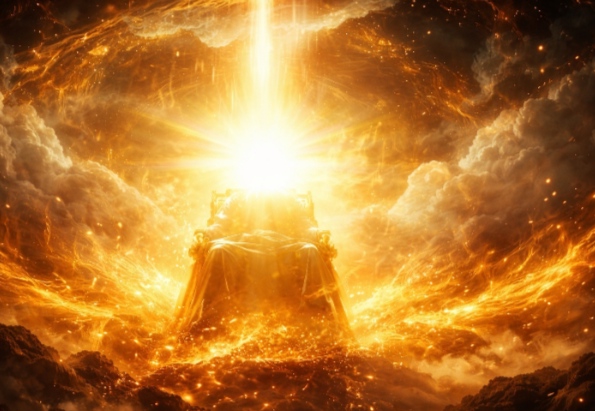
Among all the attributes of God revealed in Scripture, none is weightier than His holiness. The theme of the holiness of God runs throughout the Bible. In Prophet Isaiah’s throne room vision, the seraphim chanted loudly:
“Holy, holy, holy is the Lord of hosts.” (Isaiah 6:3)
Holiness is the only attribute of God that is ever repeated successively three times in the Bible. The Bible in no place ever says, “Love, love, love is the Lord of hosts”. That indicates the weightiness of God’s holiness. God’s holiness, far from being an abstract theological idea, is the definition of who God is. Holiness is not just what God does, but what He eternally is. It is the radiant purity of His being, and the foundation of His glory.
God’s holiness stands in contrast with man’s sinfulness. Scripture reveals a sobering truth: in the environment of God’s holiness, human sinfulness is exposed. Take for example, Moses at the burning bush (Exodus 3:5), Isaiah’s vision (Isaiah 6:5), and Peter’s encounter with Jesus (Luke 5:8). Therefore, the holiness of God scares humans and makes them avoid His presence.
While it is understandable that sinners react this way to God’s holiness, sometimes Christians—a people already forgiven of sins and clothed with the righteousness of God through union with Christ, also react the same fearful way. And, this is because of a defective understanding of God’s holiness.
Truly, God’s holiness evokes fear. But Scripture also reveals something really beautiful about God’s holiness: it is also the source of redemption, intimacy with God, and eternal glory for humanity. In this study, we will explore the Bible’s revelation to see how the holiness of God manifested in His dealings with His creations, beginning from creation to the consummation of all things.
Defining the Holiness of God
The holiness of God is the defining attribute that shapes how all other divine attributes are understood. Divine attributes such as justice or mercy cannot be understood apart from God’s holiness.
In the Bible, holiness has the basic idea of separation. The Hebrew and Greek terms for holy—qādôš and hagios, reflect this meaning. God’s holiness, thus, describes His separateness. God is separate, first, from His creation. He is entirely distinct from and existing above creation (Isaiah 57:15). Second, God is separate from evil. He is absolutely pure (Habakkuk 1:13). All that He wills and does is perfectly pure, just, and righteous.
Holiness is inherent to God. It is the foundational essence of His Being. Scripture highlights this truth by calling God “the Holy One”. God’s holiness is self-existent. He does not become holy; He is inherently holy. Understanding the inherent nature of God’s holiness challenges an error common today: reducing holiness to mere moral behavior. Holiness is an inherent nature.
God’s Holiness Revealed in Creation
The beginning of the revelation of God’s holiness was at creation. Before the (Mosaic) law, God had revealed His holiness through the order and goodness of creation.
The chaos described in Genesis 1:2 contradicts God’s character. The Bible says:
“The earth was without form, and void; and darkness was on the face of the deep…”
But God confronted the chaos and infuse His purity into the earth. First, God displayed His purity through the order and through the perfection of His creations. Six different times, God’s creations were declared as “good” (Genesis 1:4, 10, 12, 18, 21, 25), and ultimately as “very good” (v.31). Out of the holy God came a morally pure and well ordered creation.
God then rested, as it were, on the seventh day (Genesis 2:3), and separated it from the other days as holy. This act anticipated the later biblical emphasis on holiness as separation according to God’s will. Therefore, holiness is grounded in God’s sovereign right to set anything apart for Himself.
God’s Holiness and Sin
God intended for humans to live within the holy order established at creation. However, sin disrupted that order. The first sin was not just a violation of a rule. Deeply, it was a challenge of God’s established order. By seeking to be like God, humans rejected the separation between Creator and creature.
The consequences are immediate and striking. Shame, fear, and alienation replaced innocence and fellowship (Genesis 3:7–10). God’s presence, once delightful, became a source of dread for fallen man. Humans were expelled from Eden, signifying exclusion from union with the holy God.
Yet even in the Fall, God displayed His holiness. He made skin clothing for sinful humans from slain animals (Genesis 3:21), hinting at the means by which He would ultimately restore humanity to Himself—atonement through blood.
God’s Holiness Revealed In The Mosaic Covenant
A pivotal point in redemptive history is the call of Abraham (Genesis 12). From the onset of this relationship, the pattern of holiness as separation was apparent. God separated Abraham from his pagan origin, to raise a nation through him, by whom the Savior would come in the flesh. This covenantal relationship continued to Isaac and Jacob, and ultimately to the nation of Israel.
God’s covenantal relationship with Israel signifies a pivotal point in the revelation of the holiness of God and redemption. What God had displayed through creation and covenant relationships with different individuals now becomes national.
After the deliverance from Egypt, God established His covenant with Israel at Sinai. In a striking manner—thunder, lightning, thick cloud, trumpeting, and fire marking His presence, God revealed Himself to Israel as holy (Exodus 19:16–20). God commanded that perimeters be set, lest the people approach the mountain and perish.
This scene powerfully projects God’s holiness as both glorious and dangerous. The terrific display was not to instill fear but to establish proper protocol for God’s presence. The people must learn that their Redeemer is a holy God who must be treated with reverence.
God also gave Israel His law, to teach and conform Israel to His holiness, and to separate her from the surrounding pagan cultures (Leviticus 18:1–3; Leviticus 19:2). God’s law is not arbitrary, but a reflection of His purity. It shows that holiness encompasses every aspect of life—morality, worship, and social relationships. It teaches that relationship with a holy God requires full obedience.
Yet the law also exposes sinful man’s inability to perfectly meet the terms of God’s holiness. Perfect obedience is impossible for man. A means of atonement and grace has to be provided. Otherwise, man would never be able to dwell in God’s holy presence.
God’s Holiness Revealed Through Israel’s Worship

God established a sacrificial system by which a sinful people may dwell in His holy presence. The sacrificial system underscores the seriousness of God’s holiness, teaching that approaching the Holy One requires mediation.
The Tabernacle is theologically significant: the holy God chooses to dwell among His people (Exodus 25:8). Even in the Tabernacle’s structure, the pattern of separation occurs. The holiest place, which was God’s chamber housing the Ark, was separated from the outer court and holy place by a veil. It was entered once a year by the high priest with blood (Leviticus 16:2–15). This communicates that while God is near, He is not to be approached casually.
The cloud of glory in the Tabernacle confirms that God’s holiness is real, not just symbolic (Exodus 40:34–35). His presence sanctifies the space and governs how people are to worship Him.
The sacrificial system was important to Israel’s national life. It resolved the tension created by God’s holiness and man’s sinfulness. The offerings—burnt offering, sin offering, guilt offering, and peace offering, and the Atonement—teach that sin incurs guilt and must be atoned for. Holiness cannot overlook sin. The shedding of blood testifies that sin is deadly and that reconciliation is costly.
The sacrifices are meant to be acts of reverence and faith, not mechanical rituals. God warned that ritual without inward reverence is unacceptable (1 Samuel 15:22). Authentic worship acknowledges God’s holiness and approaches Him according to His revealed will.
God emphasized the seriousness of His holiness by His act of judgment. In Leviticus 10:1–2, God judged Nadab and Abihu fiercely for offering profane fire before Him. He declared, “By those who come near Me I must be regarded as holy…” (Leviticus 10:3). This event reveals that good intentions and enthusiasm are not sufficient for worship. Worship that disregards God’s holiness invites judgment rather than blessing.
The sacrificial system existed to protect imperfect people while preserving the integrity of God’s holiness. God, while remaining uncompromising in His purity, graciously provided a way for sinful humans to draw near. But more importantly, the sacrificial system pointed forward to a greater revelation, in which holiness and access will meet perfectly through Jesus Christ.
God’s Holiness Proclaimed By The Prophets
Over time, a tragic contradiction arose in Israel: the people externally observed the rituals while brazenly indulging in evil. God, therefore, raised prophets to remind Israel of His holiness, and proclaim divine judgment for her covenant infidelity.
Isaiah’s throne room vision is unique in its depiction of God’s holiness. He saw God “high and lifted up,” surrounded by seraphim chanting, “Holy, holy, holy is the LORD of hosts…” (Isaiah 6:1–3). The atmosphere produced a profound self-awareness of Isaiah’s uncleanness (Isaiah 6:5). God’s holiness exposes human uncleanness. Yet this same holiness provides cleansing, as God did for Isaiah (Isaiah 6:6–7).
The prophets repeatedly denounced Israel’s ceremonial observances without justice (Isaiah 1:13, 16; Amos 5:21, 24). Worship cannot coexist with immorality, injustice, or oppression. They also declared divine judgment on the nation. Justice always accompanies God’s holiness, to protect it. The nation’s exile stands as testimony that God will defend His holiness, even at great cost to His redeemed people (Ezekiel 36:20–21).
But the prophetic declarations were not about judgment alone. They also proclaimed restoration of Israel—a promise grounded in God’s own commitment to His holiness. The prophets anticipated a future in which holiness no longer works by repeated sacrifices, but by divine internal transformation.
Ezekiel foretold a time when God Himself would cleanse His people, and enable obedience from their hearts by His Spirit (Ezekiel 36:23–27). Jeremiah also foretold a new covenant in which God’s law would be internalized, rather than imposed externally (Jeremiah 31:31–34). This anticipation set the stage for the coming of Christ—the Holy One who would atone for humanity’s sins, and inaugurate the age of internalized holiness.
God’s Holiness Fully Revealed And Restored Through Jesus Christ
God’s holiness came into full and final disclosure through Jesus Christ. In Christ, divine holiness became embodied in a living person. He did not merely teach holiness; He demonstrated what God’s holiness looks like physically. His birth was the incarnation of the Holy One (Luke 1:35). And, throughout His earthly ministry, He was repeatedly recognized so, even by demons (Mark 1:24).
The humanity of Jesus did not dilute His holiness. Even in the flesh, He was without spot (1 Peter 1:18–19). Therefore, He needed no purification for Himself (Hebrews 7:26–27). In Him, divine holiness came into direct contact with human brokenness without contamination.
Jesus manifested divine holiness also in His compassion. He cleansed lepers and accepted sinners (Mark 1:41; Luke 19:7). Therefore, He reversed the pattern established under the law. Instead of uncleanness defiling holiness, holiness overcame uncleanness. This reveals the redemptive intention of God’s holiness—to cleanse rather than exclude.
Even His moral teaching reflects divine holiness. His taught on loving God wholeheartedly and loving one’s neighbor sacrificially (Matthew 22:37–40), making holiness a practical, relational truth, not a mere abstract theological concept.
The cross is the ultimate revelation of the holiness of God. In it, the atonement necessary for reconciling sinful humanity to God became accomplished. At Calvary, justice and love met. God’s justice was not set aside to save humanity; it was satisfied. Sin was judged, wrath was borne, and mercy is extended. Christ becomes the final and sufficient atonement for sin, accomplishing what the old sacrificial system could only foreshadow.
The torn Temple veil (Matthew 27:51) signifies that access to God’s holy presence is now secured through Christ (Hebrews 10:19–20). Holiness no longer resides behind barriers, but invites redeemed sinners into confident fellowship with God.
God’s Holiness In The Life Of The Church
Scripture calls believers a “holy nation” (1 Peter 2:9). God Himself worked out our becoming holy (Ephesians 1:4). Firstly, He cleansed us from our sins by the blood of Christ (1 Corinthians 6:9–11; Colossians 1:19–22). Then, God placed His Spirit within us (1 Corinthians 3:16).
Through these gracious action, God:
1. Made us to share in His holy nature (2 Peter 1:3–4).
2. Placed His law within our hearts (Hebrews 8:7–12). The New Covenant’ law is an internalized law, operating within believers’ hearts.
3. Enabled us for holy living. God’s Spirit indwelling believers energizes us to produce thoughts, words, and deeds that reflect holiness (Philippians 2:13; Hebrews 13:20–21).
The Spirit’s indwelling is transformative, not passive. He continually sanctifies—that is, separates us from sin (1 Thessalonians 5:23). By this ongoing separation from sin, we become increasingly conformed to Christ’s likeness. With the Spirit’s indwelling, divine holiness became internalized—indwelling God’s people, shaping our identity, worship, and conduct.
Ultimately, God gave us the command to live holy, shun sin, and embrace lives that honor God (1 Peter 1:13–16). God is not unjust; He does not require what He has not given the ability for. He has enabled us for holiness, by making us partakers in His holy nature and by the Spirit’s ongoing work in us. Now, He commands us to live holy before a watching world.
Holiness is practical. It is godliness lived out daily in every sphere of life—family, work, and community. Practically, believers manifest holiness in thoughts, speech, actions, relationships, and witness. We translate invisible holiness into practical living. This holiness is grace-driven, not legalistic, flowing from union with Christ and work of the Spirit, rather than mere observance of rules.
Through the Church, the holiness of God becomes a present reality in the world. The believers are both witnesses and participants in God’s holy purposes, reflecting the nature of the Holy One who redeemed us.
The Consummation Of God’s Holiness
No matter the extent to which we experience and manifest the holiness of God, we will never manifest the fullness of God’s holiness in this present life. The holiness of God will only be fully manifested in the eschaton, when all things will be restored. The Bible teaches that God’s holiness will characterize the age to come, vindicate His justice, and bring His redeemed people into perfect union with Him.
Eternity will be a physical union of the holy God and His redeemed holy people. God’s holiness will be the reason for the ultimate joy and worship of the redeemed (Revelation 4:8). In eternity, God’s holiness will no longer provoke terror or distance. Instead, it will be an inviting environment of fellowship. Believers, cleansed and fully perfected, will dwell eternally in the presence of the Holy One, fully participating in His glory.
However, the holiness of God requires that sin be judged. Therefore, the final judgment of sinners will flow from not just God’s justice but also from His holiness. All who reject being made right with Him through Christ’s atoning work will be separated from Him eternally. Even in eternity, uncleaness will not be permitted around the holy presence of God.
This ultimate expression of God’s holiness is also the consummation of His redemptive purposes. From creation to the cross, and through the present life of the Church, God has been preparing a holy people for Himself. In eternity, His holiness will be fully realized in us. We will be absolutely morally pure, glorified, and fully conformed to Christ’s image (1 John 3:2–3).
The world to come will be a realm of perfect purity and order, reflecting God’s intrinsic nature. Sin, corruption, and imperfection will be eternally removed, and God’s holy presence will be the unending source of light, life, and joy.
Conclusion
The holiness of God is a thread that runs through the entire biblical narrative—from creation to the ongoing life of the Church, and will one day climax in eternal glory. God’s holiness describes God’s nature of moral purity and perfection, governs His actions, and shapes His relationship with His people. It exposes sin, and provides the means for redemption.
To know God’s holiness is to recognize His absolute purity, moral perfection, and transcendent glory. Yet it is also to encounter a God who invites sinners into communion through Christ. The holy life to which believers are called is not an unattainable ideal, but a participation in God’s own life through the indwelling Spirit.
Living before a holy God reshapes every aspect of life—worship, ethics, relationships, and mission. It inspires reverence, deepens obedience, and nurtures hope for the day when God’s holiness will be fully revealed in eternal glory. The proper response to God’s holiness is awe, worship, and a life increasingly conformed to His holy character.